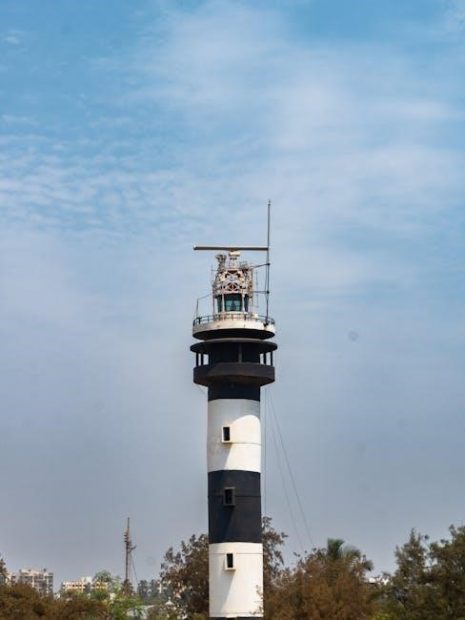
The Lighthouse Keeper’s Lunch PDF: A Comprehensive Guide
Jeremy D’Entremont‚ a renowned lighthouse historian‚ authored this insightful PDF‚ offering a unique glimpse into the culinary world of those who bravely maintained these vital coastal beacons.
The “Lighthouse Keeper’s Lunch” PDF‚ penned by U.S. Lighthouse Society Historian Jeremy D’Entremont‚ provides a fascinating exploration of the diets and culinary practices within these isolated maritime outposts. This resource isn’t merely a collection of recipes; it’s a portal into the daily lives of the keepers and their families.
D’Entremont‚ a prolific author on lighthouses and maritime history‚ brings his extensive knowledge to bear‚ offering context to the challenges and limitations faced when provisioning these remote locations. The PDF delves into how keepers managed with available resources‚ adapting recipes and employing preservation techniques to ensure sustenance. Michigan‚ boasting more lighthouses than any other state‚ serves as a compelling backdrop for understanding these unique culinary traditions. This guide illuminates a little-known aspect of lighthouse history – what these dedicated individuals actually ate while safeguarding our shores.
Understanding the PDF Format and Accessibility
The “Lighthouse Keeper’s Lunch” PDF is designed for broad accessibility‚ ensuring that lighthouse enthusiasts and culinary historians alike can easily engage with its content. Typically‚ PDFs are readily viewable on most computers and mobile devices with a standard PDF reader – like Adobe Acrobat Reader‚ which is often pre-installed or freely downloadable.
The document’s format allows for easy printing‚ should a physical copy be desired for kitchen use or archival purposes. While specific features may vary depending on the reader‚ most PDF viewers offer functionalities like search‚ zoom‚ and bookmarking‚ enhancing the user experience. Considering the historical nature of the recipes‚ clear legibility is prioritized. The PDF’s structure facilitates navigation‚ allowing readers to quickly locate specific recipes or sections related to preservation techniques and regional influences.
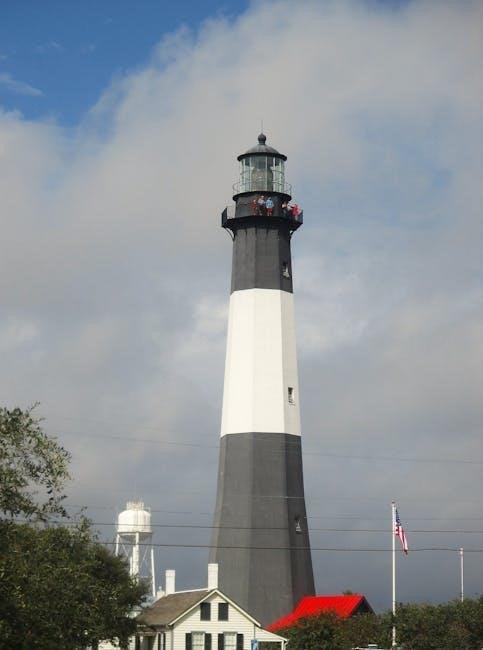
Historical Context of Lighthouse Keeping
Lighthouses guided mariners‚ demanding dedicated keepers who faced isolation and relied on carefully planned provisions for sustenance during their lengthy‚ crucial duties.
The Role of Lighthouses in Maritime Navigation
Lighthouses historically served as indispensable navigational aids‚ preventing shipwrecks and guiding vessels through treacherous waters. They marked dangerous shoals‚ identified safe harbors‚ and established a ship’s position‚ particularly vital before modern GPS technology.
These structures‚ built from materials like wood‚ stone‚ brick‚ and even reinforced concrete‚ were strategically positioned along coastlines. Their powerful beams‚ emitted from sophisticated lamp and lens systems‚ pierced through darkness and inclement weather.
The consistent‚ reliable nature of lighthouse illumination was paramount for maritime safety. Keepers diligently maintained the light‚ ensuring its unwavering presence‚ a responsibility directly linked to the well-being of sailors and the success of maritime commerce. Without them‚ coastal navigation would have been significantly more perilous.
Daily Life and Responsibilities of Lighthouse Keepers
Lighthouse keepers endured a life of demanding routine and often‚ profound isolation. Their duties extended far beyond simply maintaining the light; they were responsible for the entire station’s upkeep. This included meticulous cleaning of the lens‚ winding the clockwork mechanisms that rotated the light‚ and diligent record-keeping of weather conditions and passing ships.
Keepers also performed essential maintenance on the lighthouse structure itself‚ repairing damage from harsh weather and ensuring its continued stability. Provisions had to be carefully managed‚ and the light consistently maintained‚ regardless of personal hardship.
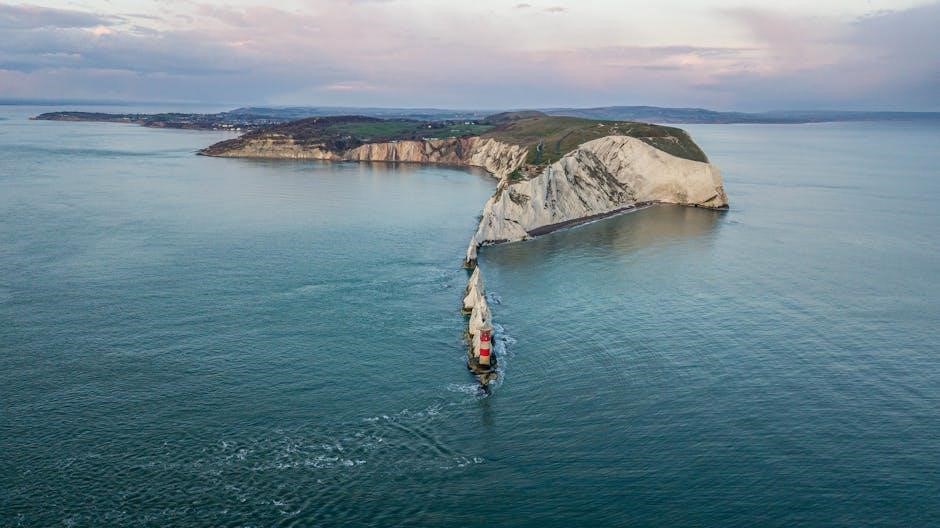
The psychological impact of this solitary existence was significant‚ requiring resilience and a strong sense of duty. Their dedication was crucial for maritime safety.
The Importance of Provisions and Meal Planning
Provisioning lighthouses was a logistical challenge‚ demanding careful planning to ensure keepers had sufficient sustenance‚ often for weeks or months at a time. Supplies were delivered by boat‚ dependent on favorable weather conditions‚ making self-sufficiency vital.
Meal planning centered around non-perishable foods – salted meats‚ dried beans‚ hardtack biscuits‚ and preserved fruits – due to limited refrigeration. Lighthouse keepers skillfully adapted recipes to utilize available resources‚ employing preservation techniques like salting‚ drying‚ and pickling to extend food’s lifespan.
A well-stocked pantry and resourceful cooking were essential for maintaining morale and physical health during long periods of isolation and demanding work.
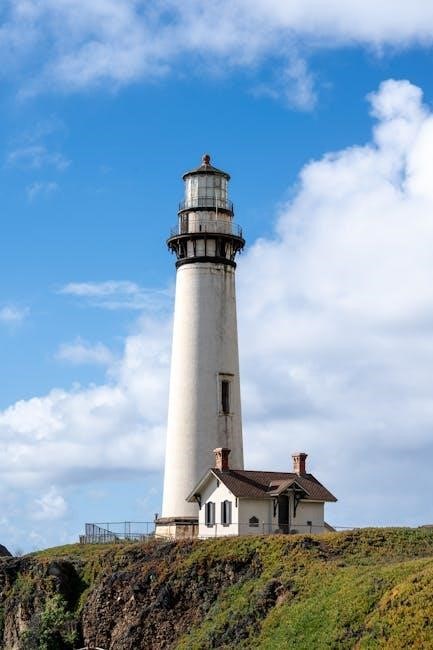
Analyzing the “Lighthouse Keeper’s Lunch” PDF Content
This PDF‚ authored by Jeremy D’Entremont‚ details historical recipes‚ offering insight into the diets of lighthouse keepers and their resourceful culinary adaptations.
Source and Authorship of the PDF (Jeremy D’Entremont)
Jeremy D’Entremont stands as the authoritative source behind the “Lighthouse Keeper’s Lunch” PDF‚ bringing decades of dedicated research and passion for maritime history to this unique culinary exploration. He is a prolific author‚ having penned 24 books and countless articles focused on lighthouses and the lives intertwined with them.
His extensive experience includes serving as past president of the American Lighthouse Foundation and founding Friends of Portsmouth Harbor Lighthouses. D’Entremont isn’t merely an academic; he actively shares his knowledge through lectures and narrating cruises along the Northeast coastline and beyond. This practical engagement informs his writing‚ lending authenticity and depth to his work.
The PDF benefits immensely from his firsthand understanding of lighthouse life‚ ensuring the recipes and historical context are both accurate and engaging‚ offering readers a genuine taste of the past.
Overview of Recipes Included in the PDF
The “Lighthouse Keeper’s Lunch” PDF presents a fascinating collection of recipes‚ meticulously curated to reflect the culinary realities faced by keepers and their families. Expect to find dishes born of necessity‚ utilizing readily available‚ non-perishable ingredients – staples crucial for sustaining life in often isolated locations.
While a complete list isn’t publicly detailed‚ the focus leans towards hearty‚ filling meals designed to provide energy for demanding physical labor. Think robust stews‚ preserved meats‚ and baked goods that could withstand storage. The recipes aren’t elaborate; they’re practical and resourceful‚ mirroring the keepers’ pragmatic approach to food.
The PDF aims to recreate the flavors of the past‚ offering a tangible connection to the daily lives of those who tended these vital navigational aids.
Historical Accuracy of the Recipes
Jeremy D’Entremont’s dedication to historical detail shines through in the “Lighthouse Keeper’s Lunch” PDF. The recipes aren’t simply imagined recreations; they are grounded in extensive research into the provisions available to keepers during various periods. He draws upon historical records‚ keeper’s journals‚ and accounts of maritime life to ensure authenticity;
The PDF acknowledges that specific diets varied based on location‚ era‚ and the keeper’s personal preferences. However‚ the included recipes represent a plausible and well-informed approximation of what keepers likely consumed. The focus is on ingredients that were realistically accessible‚ considering transportation limitations and preservation techniques.
This commitment to accuracy elevates the PDF beyond a mere cookbook‚ transforming it into a valuable historical document.

Ingredients and Culinary Practices
Lighthouse provisions relied on staples like preserved meats‚ hardtack‚ and root vegetables‚ demanding resourceful cooking and preservation skills from keepers and their families.
Common Foodstuffs Available to Lighthouse Keepers
Lighthouse keepers’ diets were heavily influenced by practicality and preservation. Fresh food was a luxury‚ dependent on supply ships and local availability. Common foodstuffs included salted or smoked meats – pork‚ beef‚ and fish – providing essential protein. Hardtack‚ a durable biscuit‚ formed a staple‚ alongside flour for baking bread and biscuits‚ though quality varied greatly.
Root vegetables like potatoes‚ turnips‚ and onions were favored for their storage capabilities. Dried beans and peas offered protein and fiber. Preserved fruits‚ often as jams or jellies‚ provided sweetness. Coffee and tea were standard beverages‚ while sugar and molasses added flavor. Limited fresh produce might be grown in small gardens if conditions allowed‚ supplementing the often-monotonous diet. The PDF likely details these necessities‚ reflecting the challenges of provisioning remote locations.
Preservation Techniques Used in Lighthouse Cooking
Lighthouse cooking heavily relied on techniques to extend food’s lifespan. Salting was paramount‚ preserving meats and fish against spoilage. Smoking added flavor while further aiding preservation. Drying fruits and vegetables concentrated sugars and removed moisture‚ preventing decay. Pickling‚ using vinegar‚ created acidic environments unsuitable for bacteria.
Rendering animal fats into lard or tallow provided cooking fat and preserved the fat itself. Root cellars‚ if available‚ offered cool‚ dark storage for vegetables. The PDF likely illustrates how keepers maximized these methods‚ minimizing waste and ensuring sustenance. These techniques weren’t merely culinary; they were vital for survival‚ demanding ingenuity and resourcefulness in isolated environments‚ ensuring meals throughout long shifts;
Adapting Recipes to Limited Resources
Lighthouse keepers faced significant constraints in the kitchen. The PDF likely showcases how recipes were modified based on available provisions. Fresh ingredients were scarce‚ demanding creativity with preserved goods. Recipes were simplified‚ often utilizing single-pot meals to conserve fuel and minimize cleanup. Substitutions were common; if a spice was unavailable‚ keepers improvised with what they had.
Baking relied on hardtack or ship’s biscuit‚ often soaked to soften. Meat dishes might stretch limited supplies with fillers like beans or potatoes. The “Lighthouse Keeper’s Lunch” likely details these resourceful adaptations‚ demonstrating how necessity fostered culinary innovation within the confines of a remote‚ self-sufficient lifestyle.

Michigan Lighthouses and Culinary Traditions
Michigan‚ boasting more lighthouses than any other state‚ influenced keeper diets with regional foods‚ impacting the recipes detailed within the PDF resource.
Unique Characteristics of Michigan Lighthouses
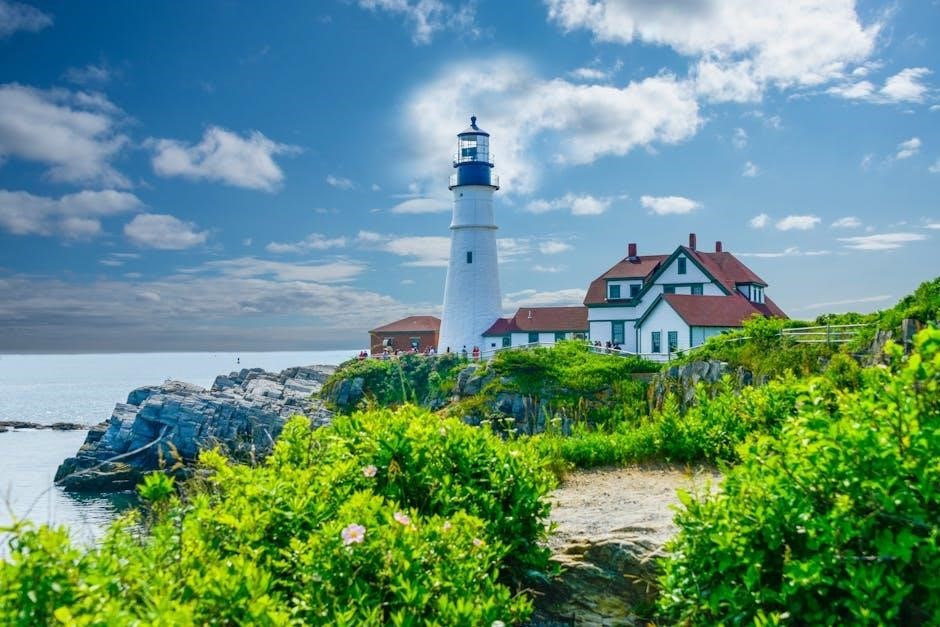
Michigan’s extensive coastline‚ bordering four of the Great Lakes‚ necessitated a remarkable number of lighthouses – more than any other state in the nation. Each lighthouse possesses a distinct character‚ shaped by its specific location and the navigational challenges it addressed. These structures range in design‚ from towering brick towers to charming wooden cottages‚ reflecting the evolving architectural styles and available building materials of their time.
The “Lighthouse Keeper’s Lunch” PDF indirectly highlights these unique characteristics by showcasing the resourcefulness required to provision these remote outposts. The varied locations meant keepers faced differing logistical hurdles in obtaining supplies‚ influencing their diets and cooking methods. The PDF’s recipes offer a tangible connection to the individual stories embedded within each Michigan lighthouse‚ revealing how keepers adapted to their isolated environments.
Furthermore‚ the very existence of such a collection of recipes speaks to the rich maritime history and cultural heritage preserved within Michigan’s lighthouse legacy.
Regional Food Influences on Lighthouse Keeper Diets
Lighthouse keeper diets in Michigan were significantly shaped by the surrounding regional foodways. Proximity to the Great Lakes meant a reliance on freshwater fish – whitefish‚ trout‚ and perch – as a staple protein source‚ often smoked or salted for preservation. Agricultural produce from nearby farming communities‚ like potatoes‚ apples‚ and root vegetables‚ supplemented their provisions when available.
The “Lighthouse Keeper’s Lunch” PDF subtly reveals these influences through the recipes included‚ hinting at the ingredients readily accessible to keepers stationed along Michigan’s shores; Recipes likely incorporated locally sourced fruits and vegetables during harvest seasons‚ and traditional preservation techniques reflected the need to extend the shelf life of these items.
These culinary adaptations demonstrate a fascinating interplay between necessity‚ regional availability‚ and the keepers’ ability to create nourishing meals in isolation.
The Connection Between Lighthouse History and Local Cuisine
Michigan’s rich lighthouse history is inextricably linked to its local culinary traditions. The “Lighthouse Keeper’s Lunch” PDF offers a tangible connection‚ showcasing how keepers adapted their diets to the resources available within their specific coastal communities. The reliance on freshwater fish‚ for example‚ mirrors the broader regional fishing industry that sustained many lakeside towns.
Lighthouse keeping wasn’t isolated from the surrounding culture; keepers often traded with local fishermen and farmers‚ incorporating regional specialties into their meals. This exchange fostered a unique culinary blend‚ reflecting both the practical needs of isolated life and the flavors of the Great Lakes region.
Exploring these recipes provides insight into the historical diets and lifestyles of those who served‚ preserving a flavorful piece of Michigan’s maritime heritage.

Lighthouse Construction and Keeper Wellbeing
Lighthouses‚ built from materials like wood and brick‚ faced harsh conditions impacting provisions. Isolation profoundly affected keepers‚ influencing their reliance on preserved foods.
Materials Used in Lighthouse Construction (Wood‚ Stone‚ Brick‚ etc.)
Lighthouse construction historically utilized diverse materials‚ dictated by location and available resources. Early structures frequently employed wood‚ though susceptible to fire and decay. More durable options included stone and brick‚ offering greater resistance to the elements and the relentless pounding of waves.
Reinforced concrete emerged as a popular choice in the 20th century‚ providing strength and longevity. Iron‚ steel‚ and aluminum also found application‚ particularly in skeletal tower designs‚ minimizing wind resistance in hurricane-prone areas like the Caribbean. The choice of material directly impacted the lighthouse’s ability to withstand environmental challenges‚ ultimately influencing the keeper’s safety and the preservation of vital provisions.
These robust structures were essential for safeguarding maritime navigation and supporting the dedicated individuals who maintained them.
Environmental Challenges and Their Impact on Provisions
Lighthouse keepers faced relentless environmental challenges that directly impacted their ability to maintain adequate provisions. Coastal locations exposed them to harsh weather – storms‚ high winds‚ and corrosive salt spray – threatening supply deliveries and the preservation of foodstuffs.
Isolation compounded these issues; resupply could be delayed for extended periods due to inclement weather‚ necessitating careful meal planning and reliance on preservation techniques. The structural integrity of the lighthouse itself‚ built from materials like wood‚ stone‚ or brick‚ was constantly tested‚ potentially compromising stored provisions.
Maintaining a stable food supply in such conditions demanded resourcefulness and a deep understanding of preservation methods.
The Psychological Impact of Isolation on Lighthouse Keepers
Lighthouse keeping‚ while vital‚ was profoundly isolating. Extended periods with limited human contact significantly impacted the psychological wellbeing of keepers‚ influencing their routines‚ including meal preparation and consumption. The monotonous environment‚ coupled with the responsibility for maritime safety‚ could lead to loneliness and mental fatigue.
This isolation likely affected appetite and the enjoyment of food‚ potentially impacting the keepers’ willingness to meticulously prepare meals‚ even with available provisions. The “Lighthouse Keeper’s Lunch” PDF offers a window into their daily lives‚ hinting at the importance of familiar‚ comforting foods as a coping mechanism.
Maintaining morale in such conditions was crucial‚ and a well-planned‚ satisfying diet likely played a role.

Modern Lighthouse Preservation and Research
The U.S. Lighthouse Society actively preserves these historical sites‚ utilizing data – including culinary insights from resources like the “Lighthouse Keeper’s Lunch” PDF – for research.
The U.S. Lighthouse Society and Preservation Efforts
The U.S. Lighthouse Society stands as a pivotal force in safeguarding America’s lighthouse heritage‚ extending its dedication to encompass the stories of the keepers themselves. Their preservation work isn’t solely focused on the structures; it includes documenting the lives lived within those walls‚ and resources like the “Lighthouse Keeper’s Lunch” PDF contribute significantly to this holistic understanding.
By examining the dietary habits and culinary practices detailed in the PDF‚ the Society gains valuable insight into the daily realities of lighthouse life. This information helps paint a more complete picture for visitors and researchers alike‚ enriching the historical narrative. Preservation efforts also involve advocating for funding‚ restoring lighthouses‚ and educating the public about their importance – a mission bolstered by unique resources like this culinary glimpse into the past.
Utilizing Lighthouse Data for Historical Studies
The “Lighthouse Keeper’s Lunch” PDF serves as a surprisingly rich source of data for historical studies‚ extending beyond culinary history. Analyzing the recipes and available foodstuffs provides insights into 19th and 20th-century supply chains‚ regional foodways‚ and economic conditions impacting remote communities.
Researchers can correlate dietary information with lighthouse logs‚ keeper biographies‚ and environmental records to understand how isolation‚ weather‚ and provisioning challenges influenced daily life. This data complements broader historical narratives‚ offering a micro-level perspective on maritime history‚ social structures‚ and the resourcefulness of those who maintained these crucial navigational aids. The PDF‚ therefore‚ isn’t just a cookbook; it’s a valuable primary source for diverse historical inquiries.
The Role of Technology in Modern Lighthouse Maintenance (Lighthouse as an open-source tool)
Interestingly‚ the name “Lighthouse” is also used for an open-source‚ automated tool focused on web app performance. While seemingly unrelated to the historical “Lighthouse Keeper’s Lunch” PDF‚ the parallel highlights a modern application of the lighthouse concept – providing guidance and optimization.
Today’s lighthouse preservation relies on technology for remote monitoring‚ automated lighting systems‚ and structural analysis. Data gathered informs maintenance schedules and prevents deterioration. Just as keepers meticulously maintained the original lights‚ modern teams utilize digital tools. The PDF‚ documenting past practices‚ offers a baseline understanding of the challenges overcome‚ informing current preservation efforts and appreciating the ingenuity of earlier keepers.

Accessing and Utilizing the PDF Resource
Jeremy D’Entremont’s insightful “Lighthouse Keeper’s Lunch” PDF is a valuable resource for culinary and historical enthusiasts‚ readily available online for exploration.
Where to Find the “Lighthouse Keeper’s Lunch” PDF
Locating Jeremy D’Entremont’s fascinating “Lighthouse Keeper’s Lunch” PDF requires a bit of digital exploration‚ as it isn’t always directly linked on a single‚ central website. A primary source for accessing this document is often through websites dedicated to lighthouse history and preservation‚ particularly those affiliated with the U.S. Lighthouse Society.
Dedicated lighthouse enthusiast websites‚ frequently maintained by individuals who have personally visited and documented lighthouses across the United States and Canada‚ often compile and share resources like this PDF. Searching online using specific keywords – “Lighthouse Keeper’s Lunch PDF‚” “Jeremy D’Entremont lighthouse recipes‚” or “Michigan lighthouse cuisine” – will yield relevant results.
Furthermore‚ exploring online archives and digital libraries focused on maritime history may also uncover a copy of this valuable resource. Remember to verify the source’s credibility to ensure you are accessing a legitimate version of the document.
Tips for Printing and Reading the PDF
Reading the “Lighthouse Keeper’s Lunch” PDF is best done on a device with a clear screen for optimal recipe viewing. However‚ if you prefer a physical copy‚ printing is certainly an option! When printing‚ select “Fit to Page” in your print settings to ensure all content is visible and properly formatted. Consider printing in grayscale to conserve ink‚ as the document primarily features text and historical illustrations.
For easier kitchen use‚ print only the recipes you intend to try‚ creating a customized cookbook. Jeremy D’Entremont’s work is detailed‚ so a larger font size might be beneficial for comfortable reading while cooking.
Digital reading allows for convenient searching – use the PDF reader’s search function to quickly locate specific ingredients or recipes. Enjoy exploring these historical culinary treasures!
Further Research Resources on Lighthouse History and Cuisine
To delve deeper into the world of lighthouses and the lives of their keepers‚ the U.S; Lighthouse Society website is an invaluable resource‚ offering extensive historical data and preservation information. Explore websites dedicated to Michigan lighthouses for regional specifics and captivating stories. Websites documenting personal visits to lighthouses across the US and Canada provide detailed photographs and histories.
For broader maritime history‚ consider resources from the American Lighthouse Foundation. Researching historical cookbooks and food preservation techniques of the 19th and early 20th centuries will illuminate the culinary constraints faced by keepers. Jeremy D’Entremont’s other publications offer further insights!