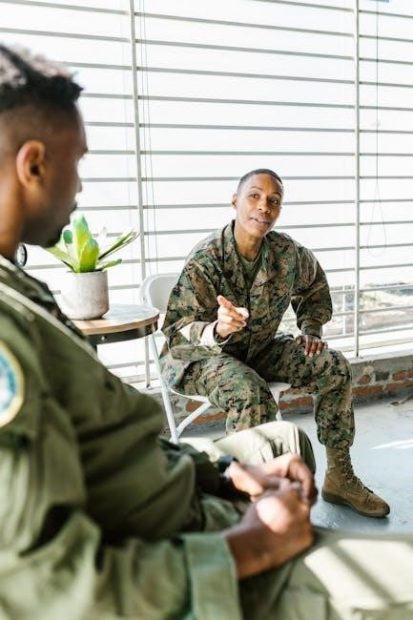
This guide illuminates the vital role of NCOs, detailing leadership, expertise, and advancement within the Corps. It addresses evolving education, skills, and professional standards, ensuring readiness.
What is an NCO?
Noncommissioned Officers represent the backbone of any effective military force, bridging the gap between commissioned officers and enlisted personnel. They are seasoned professionals who have demonstrated competence, leadership potential, and a commitment to service. Unlike officers who typically receive commissions based on education and training, NCOs rise through the ranks through proven performance and dedication.
An NCO’s authority stems from experience, technical proficiency, and the trust placed in them by superiors and subordinates alike. They are not merely supervisors; they are mentors, trainers, and subject matter experts. The Marine Corps, for example, heavily relies on its NCO corps to maintain standards, enforce discipline, and ensure mission accomplishment. Their role is crucial in developing the next generation of Marines, instilling core values, and fostering a culture of excellence.
Essentially, an NCO is a highly skilled and experienced leader responsible for the day-to-day operations and well-being of their troops. They embody the spirit of the organization and are instrumental in translating strategic goals into tactical realities.
The Importance of NCOs in Military Structure
NCOs are absolutely critical to the functionality and success of any military organization, serving as the primary link in the chain of command. They translate the directives of officers into actionable tasks, ensuring that orders are understood and executed effectively by enlisted personnel. Without their leadership and expertise, military operations would suffer significantly.
Their importance extends beyond simply issuing commands; NCOs are responsible for the training, welfare, and professional development of their subordinates. They build cohesive teams, foster morale, and maintain discipline. The launch of new schools for Staff Noncommissioned Officers, like those in the Marine Corps, highlights the commitment to strengthening this vital leadership tier.
Furthermore, NCOs possess invaluable technical expertise, often honed through years of practical experience. This knowledge is essential for problem-solving, decision-making, and adapting to rapidly changing battlefield conditions. They are the embodiment of institutional knowledge, ensuring continuity and operational effectiveness.
NCO Roles and Responsibilities
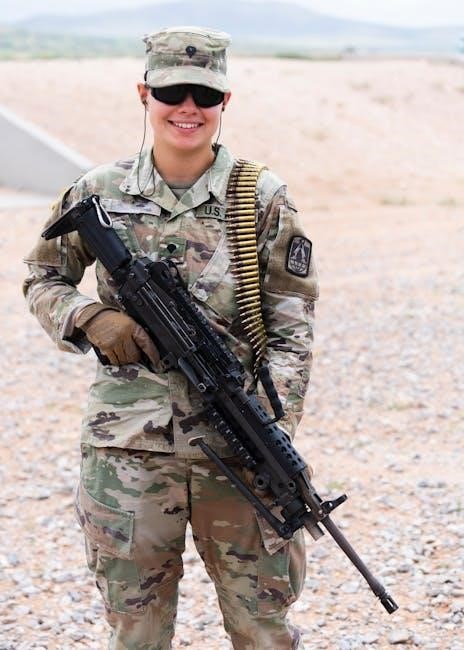
NCOs embody leadership, technical skill, and mentorship. They guide subordinates, solve problems, and uphold standards, ensuring mission success through dedicated service and expertise.
Leadership Responsibilities
NCOs are the backbone of any successful military unit, directly responsible for the welfare, training, and discipline of their Marines. Effective leadership demands a commitment to leading by example, demonstrating the highest ethical standards and moral courage in all situations. This includes consistently enforcing regulations and fostering a climate of respect and trust within the ranks.
A key aspect of NCO leadership is the ability to inspire and motivate subordinates. This isn’t achieved through mere command, but through genuine care for their well-being and professional development. NCOs must be able to clearly communicate expectations, provide constructive feedback, and recognize accomplishments. They are tasked with developing future leaders, instilling in them the core values and principles of the Marine Corps.
Furthermore, NCOs are expected to exercise sound judgment and make decisive decisions, often under pressure. They must be able to assess situations quickly, identify potential risks, and implement effective solutions. Their leadership extends beyond the tactical realm, encompassing administrative duties, logistical planning, and the overall readiness of their units.
Technical Expertise and Proficiency
Beyond leadership, NCOs are expected to possess a high degree of technical expertise in their respective Military Occupational Specialties (MOS). This proficiency isn’t simply about knowing how to perform a task, but understanding why it’s done a certain way, and being able to troubleshoot problems effectively. Continuous learning and professional development are crucial for maintaining this edge.
NCOs serve as subject matter experts, capable of instructing and mentoring subordinates in the proper techniques and procedures. They must stay abreast of the latest advancements in their field, adapting to new technologies and methodologies. This requires a proactive approach to self-study, participation in relevant training exercises, and a willingness to share knowledge with others.
Proficiency extends to equipment maintenance, operational procedures, and tactical applications. NCOs are responsible for ensuring that their Marines are properly trained and equipped to accomplish their missions. Their technical competence directly impacts the unit’s overall effectiveness and readiness, demanding a commitment to excellence and attention to detail.
Mentorship and Training of Subordinates
A cornerstone of the NCO Corps is the responsibility to develop subordinates – shaping them into competent, confident, and disciplined Marines. This goes far beyond simply assigning tasks; it requires genuine mentorship, providing guidance, and fostering a positive learning environment. Effective training isn’t just about technical skills, but instilling core values and a commitment to the Marine Corps ethos.
NCOs must identify the strengths and weaknesses of each Marine, tailoring training to address individual needs. This includes providing constructive feedback, recognizing accomplishments, and offering opportunities for growth. Leading by example is paramount – demonstrating the standards of professionalism and competence expected of all Marines.
Furthermore, NCOs are responsible for enforcing standards, correcting deficiencies, and ensuring that all Marines understand their roles and responsibilities. This requires patience, empathy, and a dedication to building a cohesive and high-performing team. The future of the Marine Corps rests on the shoulders of well-trained and mentored Marines.
Advancement and Education for NCOs
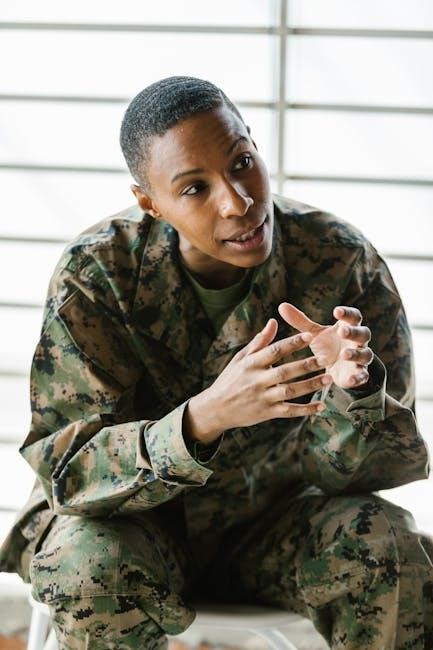
The NCO Corps offers clear paths for progression, bolstered by formal education like NCOES. Continuous learning and skill development are crucial for leadership success and career growth.
Paths to Advancement within the NCO Corps
Ascending through the NCO ranks demands dedication, consistent performance, and a commitment to professional development. The journey typically begins with initial entry into the corps, followed by progressive promotions based on time in service, demonstrated leadership potential, and successful completion of required training. Opportunities for advancement are structured, moving from Specialist to Corporal, then Sergeant, Staff Sergeant, and beyond.
Each promotion gate requires meeting specific criteria, including physical fitness standards, demonstrated proficiency in core competencies, and often, completion of the corresponding level of the Noncommissioned Officer Education System (NCOES). Competitive boards further evaluate candidates, assessing their leadership qualities, military bearing, and potential for increased responsibility. Exceptional NCOs may also be considered for accelerated promotion opportunities.
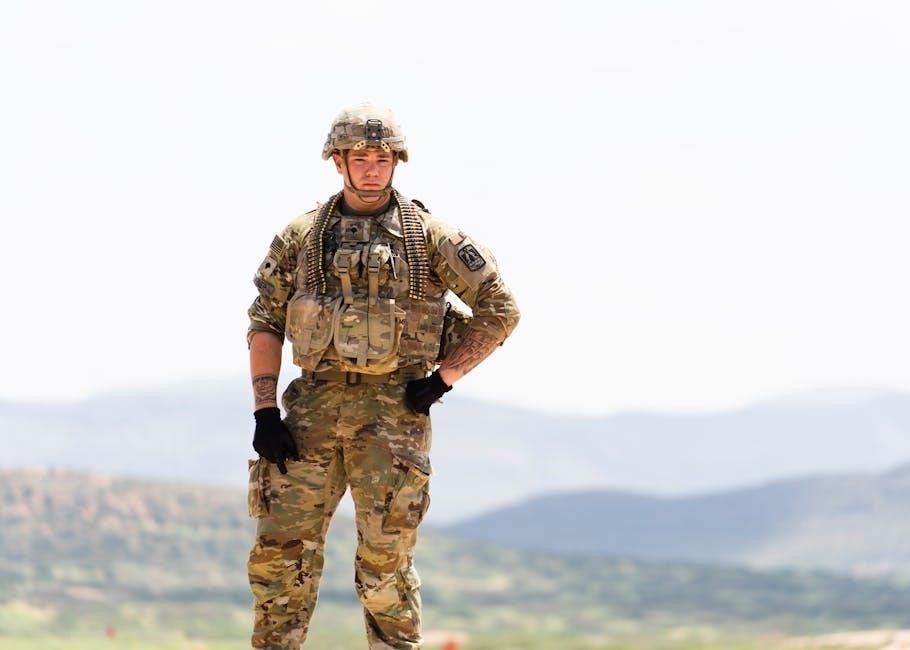
Lateral movement within the NCO corps is also possible, allowing individuals to broaden their experience and expertise in different specialties. This can involve seeking assignments in different units or functional areas, providing valuable cross-training and enhancing overall career versatility. Ultimately, the path to advancement is a continuous process of learning, leading, and serving with distinction.
Formal NCO Education System (NCOES)
The NCOES is the cornerstone of professional military education for enlisted leaders, providing a progressive and structured curriculum designed to develop essential skills and knowledge. It’s a tiered system, beginning with basic leadership courses for newly promoted NCOs and culminating in the Sergeant Major Course for the most senior enlisted personnel.
Each level of NCOES builds upon the previous one, introducing increasingly complex concepts in leadership, communication, problem-solving, and warfighting. Courses utilize a blended learning approach, incorporating classroom instruction, practical exercises, and online modules. Successful completion of each level is often a prerequisite for promotion to the next rank.
The system emphasizes not only technical proficiency but also the development of character, ethical conduct, and a commitment to the Army values. NCOES prepares leaders to effectively lead teams, mentor subordinates, and contribute to the overall mission success. Continuous improvement and adaptation are key features, ensuring the curriculum remains relevant and responsive to the evolving challenges of the modern battlefield.
Marine Corps Staff Noncommissioned Officer School
The Marine Corps Staff Noncommissioned Officer School represents a significant investment in developing senior enlisted leaders, streamlining education and preparing them for expanded responsibilities. This new school aims to better equip Staff Sergeants and Gunnery Sergeants with the skills needed to excel in leadership roles within the Corps.
The curriculum focuses on advanced warfighting concepts, leadership theory, and practical application of tactical skills. It emphasizes critical thinking, decision-making under pressure, and the ability to effectively communicate complex information; The school’s design intends to foster a deeper understanding of the Marine Corps’ operational requirements and strategic objectives.
By consolidating and enhancing existing training programs, the Staff NCO School seeks to create a more cohesive and effective learning environment. Graduates will be better prepared to lead Marines, manage resources, and contribute to the overall readiness of the Marine Corps, embodying the core values and traditions of the service.
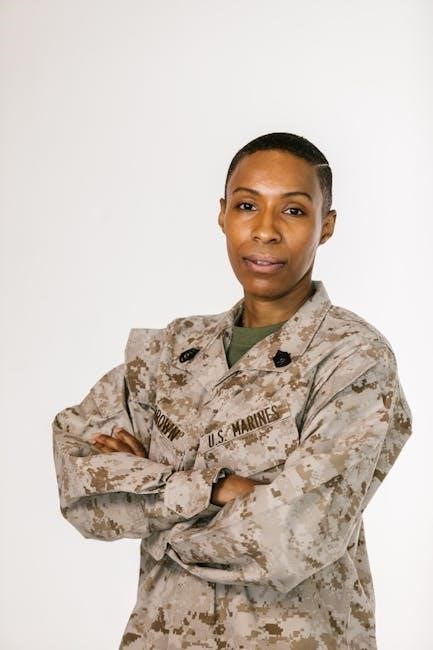
Essential NCO Skills
NCOs require strong communication, problem-solving abilities, and resilience. These skills, alongside physical fitness, are crucial for effective leadership and mission accomplishment within any operational environment.
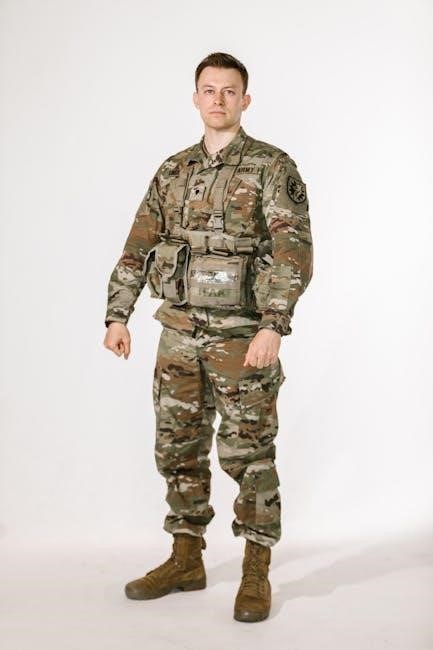
Communication Skills (Written & Verbal)
Effective communication is paramount for NCOs, encompassing both written and verbal proficiency. Clear, concise writing is essential for reports, evaluations, and orders, ensuring accurate information dissemination. Verbal communication demands active listening, articulate speaking, and the ability to convey complex ideas simply.
NCOs must adapt their communication style to diverse audiences, from subordinates requiring direct instruction to superiors needing concise briefings. They must master giving and receiving feedback constructively, fostering a climate of open dialogue. Understanding non-verbal cues and practicing empathy are also vital components.
Furthermore, NCOs often act as liaisons between leadership and enlisted personnel, requiring tact and diplomacy. The ability to translate intent into actionable tasks, and to explain rationale effectively, builds trust and cohesion. Poor communication breeds confusion, erodes morale, and can lead to mission failure; therefore, continuous improvement in these skills is non-negotiable.
Problem-Solving and Decision-Making
NCOs are frequently confronted with complex challenges demanding swift and sound judgment. Effective problem-solving begins with accurate assessment – identifying the core issue, gathering relevant data, and analyzing potential causes. A systematic approach, utilizing tools like root cause analysis, is crucial.
Decision-making requires weighing risks and benefits, considering available resources, and anticipating consequences. NCOs must be comfortable making decisions under pressure, often with incomplete information. They should be able to clearly articulate the rationale behind their choices, fostering understanding and buy-in from subordinates.
Furthermore, adaptability is key. Initial solutions may prove ineffective, necessitating a willingness to reassess, adjust strategies, and learn from mistakes. Empowering subordinates to participate in the problem-solving process cultivates initiative and develops their own critical thinking skills, ultimately strengthening the team’s overall capability.
Physical Fitness and Resilience
Maintaining peak physical condition isn’t merely about meeting standards; it’s foundational to an NCO’s ability to lead. A physically fit NCO embodies discipline, sets the example, and can effectively operate in demanding environments. Regular exercise builds stamina, strength, and endurance – essential for prolonged operations and rapid response.
Resilience, however, extends beyond physical prowess. It encompasses mental toughness, emotional stability, and the ability to bounce back from adversity. NCOs face significant stressors, and cultivating resilience is vital for maintaining effectiveness and supporting their team. This includes proactive stress management techniques and seeking support when needed.
Leading by example in physical fitness and demonstrating personal resilience inspires subordinates, fostering a culture of well-being and readiness. A strong body and mind are indispensable assets for any NCO entrusted with leading Marines through challenging circumstances.
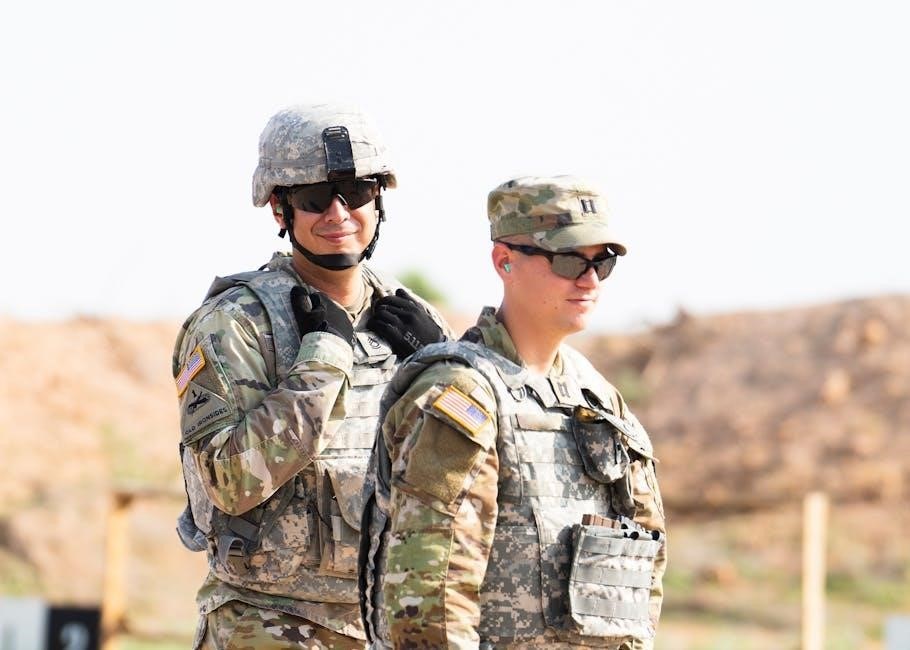
Maintaining Professionalism and Standards
Upholding ethical conduct, moral courage, and strict adherence to regulations are paramount. NCOs must lead by example, embodying the Corps’ core values in all actions and decisions.
Ethical Conduct and Moral Courage
NCOs are the backbone of integrity within the military structure, demanding unwavering ethical conduct in every situation. This extends beyond simply following rules; it requires a deep understanding of right and wrong, and the courage to act accordingly, even when facing pressure or adversity.
Moral courage isn’t the absence of fear, but the decision to do the right thing despite it. It means challenging unethical behavior, protecting subordinates from harm, and taking responsibility for one’s actions. An NCO’s reputation is built on trust, and that trust is easily broken by lapses in ethical judgment.
Maintaining this standard necessitates constant self-reflection and a commitment to personal development. NCOs must be role models, demonstrating honesty, fairness, and respect in all interactions. They are expected to uphold the highest standards of professionalism, ensuring the integrity of the unit and the Marine Corps as a whole. This commitment is non-negotiable.
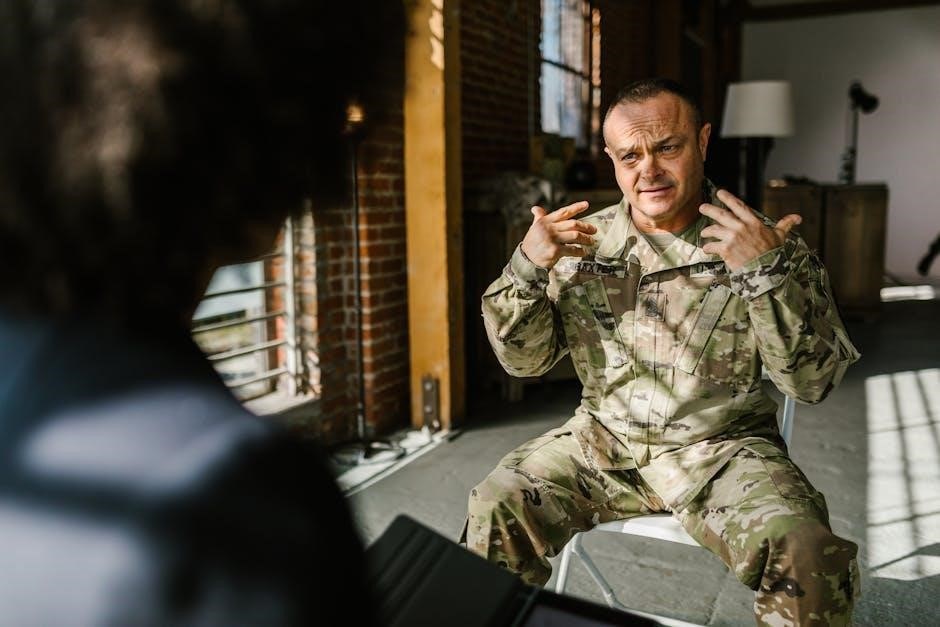
Adherence to Military Regulations
NCOs are the primary enforcers of military regulations, responsible for ensuring all personnel understand and comply with established rules and procedures. This isn’t merely about strict obedience, but about maintaining order, discipline, and operational readiness. Regulations exist to protect service members, ensure mission success, and uphold the standards of the armed forces.
A thorough understanding of applicable regulations is crucial. NCOs must stay current with changes and updates, proactively disseminating information to their subordinates. This includes everything from uniform standards and administrative procedures to operational protocols and safety guidelines.
Consistent and fair enforcement is paramount. NCOs must apply regulations impartially, avoiding favoritism or arbitrary decisions. They must also be able to explain the rationale behind the rules, fostering a culture of understanding and respect. Ignoring or circumventing regulations undermines discipline and can have serious consequences, impacting unit effectiveness and potentially endangering lives.
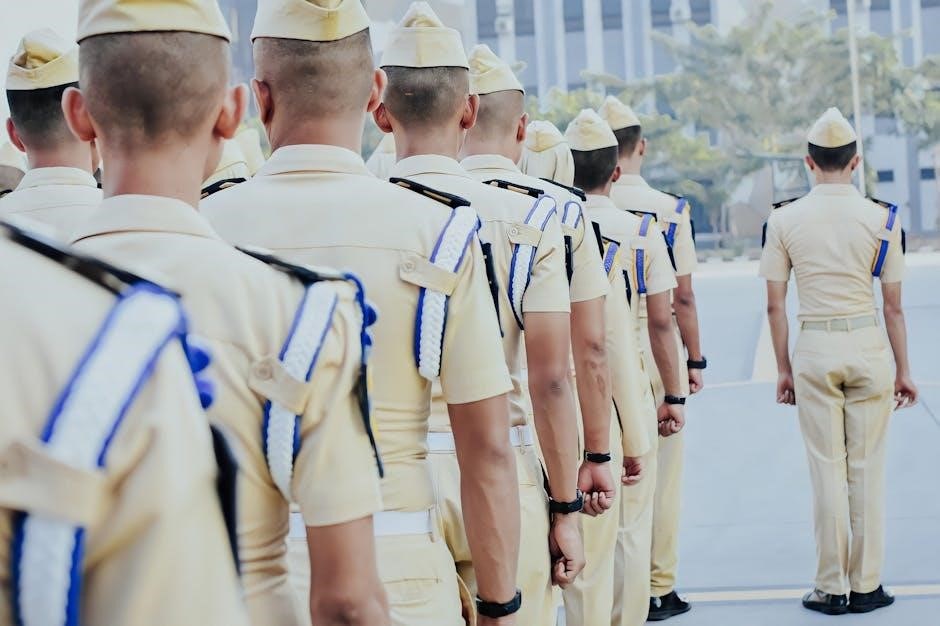
Leading by Example
The cornerstone of NCO leadership is leading by example. Actions consistently speak louder than words; NCOs must embody the values, standards, and discipline they expect from their subordinates; This encompasses physical fitness, professional bearing, ethical conduct, and a relentless commitment to mission accomplishment.
Demonstrating competence in technical skills and tactical proficiency is vital. Subordinates observe how their NCOs perform, learning through imitation. A proactive approach to self-improvement and continuous learning sets a powerful precedent.

Integrity and moral courage are non-negotiable. NCOs must be willing to stand up for what is right, even when facing difficult situations or challenging authority. Taking ownership of mistakes and demonstrating accountability builds trust and respect. By consistently modeling the desired behaviors, NCOs cultivate a positive command climate and inspire their teams to excel.