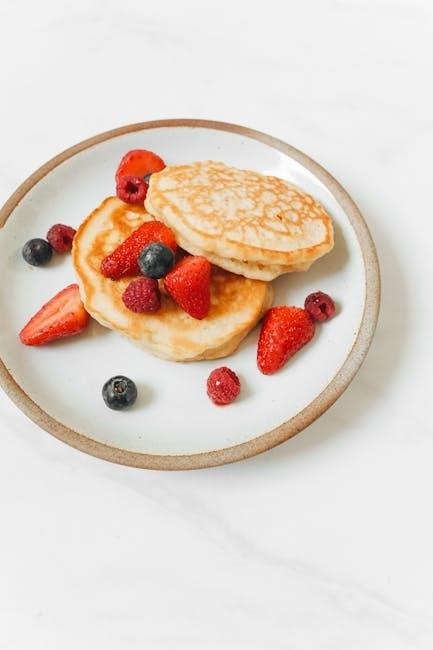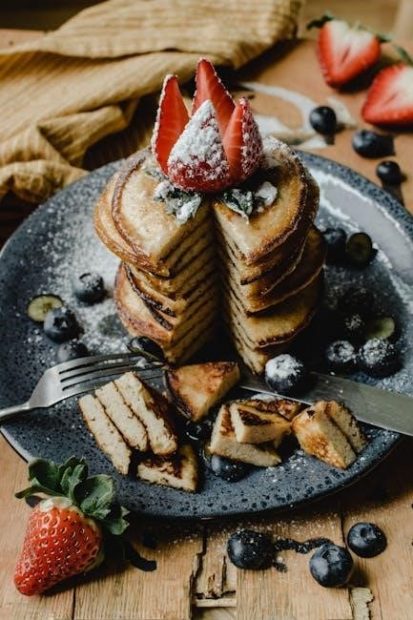
Original Pancake House Nutrition: A Comprehensive Guide (Updated 02/26/2026)
Currently, a directly accessible, official Original Pancake House nutrition PDF is unavailable, despite consumer demand for detailed dietary information regarding their menu items.
Navigating the nutritional aspects of dining at Original Pancake House requires mindful consideration. While celebrated for its indulgent breakfast and brunch offerings, understanding the caloric and macronutrient content of favorite dishes is crucial for health-conscious individuals. Currently, the restaurant chain does not provide a readily available, comprehensive nutrition PDF document directly on its official website.
This presents a challenge for those seeking detailed information on ingredients, portion sizes, and potential dietary restrictions. However, various third-party nutritional databases attempt to compile this data, though accuracy can vary. This guide aims to consolidate available information, offering a detailed exploration of the nutritional landscape at Original Pancake House, empowering informed dining choices.
II. Understanding the Nutritional Landscape of Pancake Houses
Pancake houses, by their nature, often present a nutritional challenge. Traditional offerings are typically carbohydrate-rich, with significant contributions from sugars and fats, particularly through syrups, toppings, and cooking methods. The absence of a readily accessible, official Original Pancake House nutrition PDF exacerbates this challenge for diners seeking transparency.
Many menu items are high in calories, and portion sizes can be substantial. Understanding the base ingredients – flour, eggs, milk, butter – and their subsequent modifications is key. Evaluating the impact of additions like bacon, sausage, and whipped cream is also vital for making informed decisions. Reliance on third-party data is often necessary due to this lack of official documentation.
III. Core Menu Items & Their Nutritional Profiles
Analyzing the nutritional content of Original Pancake House’s core menu items is complicated by the lack of an official, comprehensive nutrition PDF. Classic pancakes, waffles, and French toast form the foundation, each varying significantly based on ingredients and preparation. Estimating calorie counts, macronutrient ratios, and sugar content relies heavily on extrapolations from similar breakfast foods and limited third-party data.
Without official figures, consumers must cautiously assess potential nutritional impacts. Portion sizes also play a crucial role; a short stack versus a full stack dramatically alters the overall intake. This absence of transparency hinders informed dietary choices.
A. Classic Pancakes: A Detailed Breakdown
The nutritional profile of Original Pancake House’s classic pancakes remains largely undefined due to the absence of an official nutrition PDF. A short stack (typically three pancakes) likely contains between 500-700 calories, primarily from carbohydrates and fats. The batter’s composition – flour, sugar, eggs, and milk – contributes significantly to this count.
Estimates suggest substantial sugar content, especially when paired with syrup and butter. Without precise data, accurately assessing the impact on a balanced diet proves challenging. Portion control is key, as a full stack doubles these figures.
B. Waffles: Nutritional Variations & Considerations
Similar to pancakes, detailed nutritional information for Original Pancake House waffles is unavailable without an official nutrition PDF. Waffles generally possess a slightly different texture and density, potentially impacting calorie counts. The batter composition, often including more fat than pancake batter, contributes to this difference.
A single waffle can easily exceed 300 calories, escalating rapidly with toppings. Variations like Belgian waffles, with deeper pockets for syrup, further increase sugar and calorie intake. Accurate assessment requires the missing official data.
C. French Toast: Examining Sugar & Calorie Content
The absence of an official Original Pancake House nutrition PDF significantly hinders precise analysis of their French toast’s sugar and calorie content. French toast inherently absorbs calories from the bread itself, the egg-milk soak, and the frying process. Added sugars in the batter and syrups dramatically elevate the overall carbohydrate load.
Estimates suggest a single slice can contain upwards of 250-400 calories, depending on bread type and preparation. Without official figures, consumers are left to rely on approximations, making informed dietary choices challenging.
IV. Detailed Nutritional Information for Specific Dishes
The lack of a comprehensive, official Original Pancake House nutrition PDF presents a substantial obstacle to providing precise nutritional breakdowns for individual menu items. This absence forces reliance on estimations and third-party analyses, which may vary in accuracy.
Detailed information – calories, fat, protein, carbohydrates, sugar, and sodium – for staples like buttermilk pancakes, blueberry pancakes, and the signature “Original” pancake remains largely unavailable directly from the source. Consumers seeking this data face considerable difficulty.
A. Buttermilk Pancakes (Short Stack, Full Stack)
Nutritional specifics for Original Pancake House’s buttermilk pancakes – both short (3) and full (6) stacks – are challenging to pinpoint due to the absence of an official nutrition PDF. Estimates suggest a short stack contains roughly 700-800 calories, with significant carbohydrates and sugar content.
A full stack could easily exceed 1400 calories. Fat content stems from cooking oil and butter. Protein is moderate. Without official data, these figures remain approximations, highlighting the need for transparency from the restaurant.
B. Blueberry Pancakes (Short Stack, Full Stack)
Determining precise nutritional values for Original Pancake House’s blueberry pancakes is difficult, as an official nutrition PDF isn’t publicly available. A short stack (3 pancakes) likely ranges from 750-850 calories, with added sugars from the blueberries themselves and potential syrup.
A full stack (6 pancakes) could surpass 1500 calories. While blueberries offer antioxidants, the overall carbohydrate load is substantial. Accurate fat and protein content remain estimations without official documentation, emphasizing the need for clarity.
C. Strawberry & Banana Pancakes (Short Stack, Full Stack)
The absence of an official Original Pancake House nutrition PDF complicates accurate assessment of their Strawberry & Banana Pancakes. A short stack (3 pancakes) is estimated to contain 700-800 calories, influenced by fruit portions and added syrup. The natural sugars in strawberries and bananas contribute significantly to the carbohydrate count.
A full stack (6 pancakes) could easily exceed 1400 calories. Protein and fat content remain approximate without official data, highlighting the challenge of informed dietary choices. Consumers rely on estimations due to the lack of transparency.
D. The Original Pancake: Nutritional Analysis
The elusive official Original Pancake House nutrition PDF hinders a precise nutritional breakdown of their signature “Original” pancake. These Dutch Baby-style pancakes, baked and puffed, are notoriously calorie-dense. A short stack (2 pancakes) likely contains 600-700 calories, primarily from refined flour and butter used in preparation.
Estimates suggest a full stack (4 pancakes) could surpass 1300 calories. Without official figures, assessing fat, sugar, and protein content remains speculative, emphasizing the need for greater transparency from the restaurant chain.
V. Side Dishes & Their Impact on Overall Nutrition
The absence of a comprehensive Original Pancake House nutrition PDF complicates accurately assessing the impact of side dishes. Bacon, a popular choice, contributes significant fat and sodium – a short stack with bacon adds roughly 400-500 calories and substantial sodium. Sausage offers protein but is also calorie-dense, potentially exceeding 300 calories per serving.
Eggs provide valuable protein and vitamins, though preparation methods (butter, oil) influence their nutritional profile. Fruit offers fiber and vitamins, but portion sizes and added sugars (in fruit toppings) must be considered.
A. Bacon: Fat & Sodium Content
Without an official Original Pancake House nutrition PDF, precise bacon nutritional details remain elusive. However, typical bacon servings are high in saturated fat and sodium, contributing significantly to daily recommended limits. A standard side order (3-4 strips) likely contains 30-40 grams of fat, with over 700-1000mg of sodium.
This impacts cardiovascular health and blood pressure. Consumers should be mindful of portion sizes and consider leaner protein options to mitigate these effects, given the lack of readily available, verified data.
B. Sausage: Protein & Calorie Count
The absence of an official Original Pancake House nutrition PDF complicates accurate sausage analysis. Generally, sausage provides a substantial protein source, around 15-20 grams per serving (typically 2-3 patties). However, it’s also calorie-dense, potentially exceeding 300-400 calories due to its high fat content.
Variations like pork, turkey, or chicken sausage will alter these figures. Without specific data from the restaurant, estimating precise nutritional values remains challenging, urging mindful consumption and consideration of leaner alternatives.
C. Eggs: A Source of Protein & Vitamins
The lack of an official Original Pancake House nutrition PDF hinders precise egg nutrient breakdowns. Eggs are a nutritional powerhouse, delivering approximately 6-7 grams of protein per large egg, alongside essential vitamins like D and B12. However, preparation methods significantly impact their nutritional profile.
Fried eggs cooked in butter add substantial fat and calories, while poached or scrambled eggs offer a leaner option. Without detailed restaurant information, consumers should inquire about cooking methods to make informed choices aligning with their dietary goals.
D. Fruit: Fiber & Vitamin Benefits
The absence of an official Original Pancake House nutrition PDF complicates accurate fruit portion and nutrient assessments. Fruits offered – strawberries, blueberries, bananas – contribute valuable fiber, vitamins (especially Vitamin C), and antioxidants. However, serving sizes are crucial; a generous portion boosts benefits, while smaller amounts offer less impact.
Fruit’s natural sugars should also be considered, particularly for those monitoring carbohydrate intake. Without precise data from the restaurant, estimating the total sugar content in fruit-topped pancakes remains challenging, hindering informed dietary decisions.
VI. Beverages & Their Caloric Contribution
The lack of an official Original Pancake House nutrition PDF extends to beverage details, making accurate calorie tracking difficult. Coffee, juice, and milk significantly impact meal totals. Black coffee is low-calorie, but additions like cream and sugar rapidly increase it. Juices, while providing vitamins, are often high in natural sugars.
Milk options (whole, skim, almond) vary in fat and calorie content. Without a PDF, consumers must rely on general nutritional databases or estimations, potentially leading to inaccurate assessments of their overall intake at the restaurant.
A. Coffee: Black vs. Cream & Sugar
The absence of an official Original Pancake House nutrition PDF complicates discerning coffee calorie counts. A black coffee offers minimal calories, typically around 2-5 per ounce, making it a relatively guilt-free choice. However, the addition of cream—even a small amount—substantially elevates the calorie and fat content.
Sugar, whether granulated or flavored syrups, introduces significant carbohydrates and empty calories. Without precise nutritional information from the restaurant, estimating the impact of customizations becomes challenging for health-conscious diners.
B. Juices: Sugar Content & Alternatives
The lack of an official Original Pancake House nutrition PDF hinders accurate assessment of juice sugar levels. Commonly offered juices, like orange or apple, are naturally high in fructose, contributing significantly to daily sugar intake. These calories, while from a natural source, can quickly accumulate, impacting overall dietary goals.
Considering lower-sugar alternatives, such as water with lemon or unsweetened tea, becomes crucial. Without detailed nutritional breakdowns, consumers must rely on general juice guidelines, potentially underestimating the caloric impact of their beverage choice.
C. Milk: Nutritional Value & Options
The absence of an official Original Pancake House nutrition PDF complicates understanding milk options’ nutritional profiles. Standard milk provides calcium and vitamin D, beneficial for bone health, but fat content varies. Lower-fat or skim milk reduces caloric intake, while whole milk offers greater satiety.
Furthermore, alternative milk choices – soy, almond, or oat – present different nutritional compositions. Without a PDF, discerning sugar content or added ingredients in these alternatives is difficult, hindering informed decisions for those with dietary restrictions or preferences.
VII. Hidden Calories & Common Nutritional Pitfalls
The lack of an official Original Pancake House nutrition PDF obscures hidden calorie sources within seemingly innocent menu choices. Butter pats, whipped cream dollops, and generous syrup pours significantly inflate caloric intake, often unexpectedly. Portion sizes, particularly with sides like bacon or sausage, contribute substantially to overall fat and sodium consumption.
Without detailed nutritional breakdowns, accurately assessing the impact of these additions is challenging. This absence makes mindful eating difficult, potentially leading to overconsumption and undermining healthier breakfast intentions.
VIII. Modifying Your Order for a Healthier Meal
The absence of a comprehensive Original Pancake House nutrition PDF necessitates proactive order modification for health-conscious diners. Requesting whole wheat pancakes, when available, boosts fiber intake. Opting for a short stack instead of a full stack immediately reduces carbohydrate and calorie consumption.
Diligent portion control – sharing a stack or saving half for later – is crucial. Requesting syrup on the side allows for mindful application, minimizing sugar intake. Substituting fruit for sugary toppings further enhances nutritional value, promoting a balanced breakfast experience.
A. Portion Control Strategies
Given the lack of a readily available Original Pancake House nutrition PDF, mastering portion control is paramount. A full stack of pancakes can represent a substantial caloric intake; consider sharing with a companion or requesting a short stack initially.
Strategically saving half of your meal for later consumption effectively halves the immediate calorie load. Be mindful of side dish portions – a small side of bacon is preferable to a large serving. Prioritizing fruit as a side contributes to fullness without excessive sugar or fat.
B. Requesting Substitutions (e.g., Whole Wheat Pancakes)
Without a detailed Original Pancake House nutrition PDF, proactive menu modifications are key. Inquire about whole wheat pancake options, as they offer increased fiber compared to traditional varieties. Requesting egg whites instead of whole eggs reduces fat and cholesterol.
Consider substituting fruit for some syrup to minimize added sugar. Ask if leaner protein sources, like turkey sausage, are available. Don’t hesitate to request modifications – a small change can significantly impact the nutritional profile of your meal, even without precise data.
C. Limiting Syrup & Toppings
Given the absence of a comprehensive Original Pancake House nutrition PDF, controlling additions is crucial. Syrup is a significant source of added sugar; request it on the side and use sparingly. Opt for smaller portions or consider fruit as a natural sweetener.
Be mindful of toppings like whipped cream and butter, which contribute substantial calories and fat. A modest amount of fruit provides flavor and nutrients without excessive caloric impact. Prioritizing mindful additions helps manage overall intake when precise nutritional details are unavailable.
IX. Comparing Original Pancake House to Other Breakfast Chains (Nutritionally)
Without an official Original Pancake House nutrition PDF, comparative analysis relies on data from similar chains. Generally, Original Pancake House portions tend to be larger, potentially leading to higher calorie and carbohydrate counts.
Chains offering more transparent nutritional information, like IHOP with its online resources, allow for easier tracking; While ingredient quality may vary, portion control is a key differentiator. Comparing menu items and utilizing third-party databases provides a relative understanding of nutritional value across breakfast establishments.
X. Accessing the Official Original Pancake House Nutrition PDF (If Available)
As of today, February 26, 2026, the Official Original Pancake House nutrition PDF remains unavailable for direct public download. Despite numerous requests from health-conscious consumers, the company has not released a comprehensive document detailing macronutrient and calorie information for each menu item.
Customers seeking nutritional details must rely on estimations from third-party sources or contact individual franchise locations. Checking the official Original Pancake House website periodically is recommended, as availability could change in the future.
XI. Third-Party Nutritional Databases & Accuracy Concerns
Given the lack of an official Original Pancake House nutrition PDF, individuals often turn to third-party databases like MyFitnessPal or Verywell Fit for estimated nutritional information. However, these sources rely on user-submitted data and estimations, leading to potential inaccuracies.
Variations in portion sizes, ingredient sourcing, and cooking methods across different franchise locations further complicate accurate calculations. While helpful as a general guide, users should approach these figures with caution and understand they may not perfectly reflect the nutritional content of their meal.
XII. Macro Breakdown: Carbohydrates, Proteins, and Fats
Without a definitive Original Pancake House nutrition PDF, estimating macronutrient ratios requires reliance on third-party data and general pancake/breakfast food averages. Typically, meals are carbohydrate-dominant due to pancakes, waffles, and syrups. Protein content varies significantly based on added items like bacon, sausage, or eggs.
Fat content is also highly variable, influenced by cooking oils, butter, and toppings. A standard pancake stack often delivers a substantial carbohydrate load, while protein and healthy fats may be comparatively low, necessitating mindful additions.
XIII. Micronutrients: Vitamins & Minerals in Common Dishes
The absence of an official Original Pancake House nutrition PDF complicates a precise micronutrient analysis. However, dishes incorporating fruit – like strawberry or blueberry pancakes – contribute vitamins and antioxidants. Eggs provide essential vitamins like D and B12, alongside choline. Milk, if consumed, offers calcium and vitamin D.
Refined flour pancakes offer limited micronutrient value. Bacon and sausage contribute minimal vitamins, primarily sodium. Overall, the micronutrient profile heavily depends on chosen sides and additions, highlighting the importance of balanced choices.
XIV. Dietary Considerations: Gluten-Free, Vegetarian, Vegan Options
The lack of a comprehensive Original Pancake House nutrition PDF creates challenges for those with specific dietary needs. Gluten-free options are extremely limited, and cross-contamination is a significant concern. Vegetarian options exist, primarily revolving around egg and fruit-based dishes, excluding meat sides.
Vegan choices are virtually nonexistent without substantial modifications, as pancakes and French toast contain eggs and dairy. Requesting substitutions is crucial, but ingredient transparency remains an issue without detailed nutritional information readily available.
XV. The Role of Syrup: Types & Nutritional Impact
The absence of an official Original Pancake House nutrition PDF hinders accurate syrup impact assessment. Syrup significantly contributes to the overall sugar and calorie content of meals. They offer various syrups – traditional, flavored, and sugar-free – each with differing nutritional profiles.
Traditional syrups are high in refined sugars, while sugar-free options utilize artificial sweeteners. Quantifying the exact carbohydrate and calorie load per serving is difficult without official data, making informed choices challenging for health-conscious diners.
XVI. Toppings & Their Calorie Additions (Butter, Whipped Cream, etc.)
The lack of an official Original Pancake House nutrition PDF complicates calculating the caloric impact of toppings. Common additions like butter, whipped cream, and fruit significantly increase a meal’s overall calorie count and fat content. Butter contributes substantial saturated fat, while whipped cream is primarily sugar and fat.
Fruit offers some nutritional value, but portion sizes matter. Without precise nutritional breakdowns for each topping, estimating the total calorie load remains difficult, hindering mindful eating practices for customers.
XVII. Impact of Cooking Methods on Nutritional Value
The absence of a comprehensive Original Pancake House nutrition PDF prevents a detailed analysis of how cooking methods affect nutritional content. Griddle cooking, utilizing oils or butter, inevitably adds fat. Pancake batter composition—ingredients and ratios—also influences the final nutritional profile;
Variations in cooking temperature and time could impact carbohydrate breakdown and potentially create advanced glycation end products (AGEs). Without transparency regarding these processes, accurately assessing the health implications of each dish proves challenging for health-conscious diners.
XVIII. Nutritional Information for Kids’ Menu Items
The lack of an official Original Pancake House nutrition PDF extends to their children’s menu, leaving parents without crucial details regarding sugar, fat, and calorie content. Kids’ portions are often smaller, but may still be proportionally high in simple carbohydrates and added sugars, particularly with syrups and toppings.
Without specific nutritional breakdowns, it’s difficult to make informed choices for children with dietary restrictions or health concerns. Estimating nutritional value relies on extrapolating from adult menu items, which isn’t always accurate.
XIX. Seasonal Menu Items & Their Nutritional Profiles
The absence of an official Original Pancake House nutrition PDF is particularly problematic with seasonal offerings. Limited-time pancakes, French toast variations, and specialty sides frequently lack published nutritional information, making it challenging to assess their impact on a balanced diet.
These items often incorporate richer ingredients like pumpkin, berries, or chocolate, potentially increasing sugar and fat content. Without detailed data, consumers must rely on educated guesses, hindering mindful eating and dietary tracking efforts.
XX. Understanding Serving Sizes at Original Pancake House
The lack of a comprehensive Original Pancake House nutrition PDF extends to unclear serving size definitions. Portions, especially for pancakes and waffles, can be significantly larger than standard serving sizes used in nutritional databases, leading to underestimation of calorie and macronutrient intake.
A “short stack” or “full stack” may vary between locations, further complicating accurate tracking. Without standardized portion information readily available, consumers struggle to align menu choices with their dietary goals, highlighting the need for transparency.
XXI. Resources for Tracking Your Calorie Intake
Given the absence of an official Original Pancake House nutrition PDF, relying on third-party resources is crucial for calorie tracking. Websites like MyFitnessPal and Lose It! offer user-submitted nutritional information, but accuracy can vary significantly due to inconsistent portion sizes and estimations.
Consider utilizing general pancake/waffle nutritional data as a baseline, adjusting based on visible ingredients and estimated serving sizes. Careful logging and mindful eating are essential when navigating a menu lacking detailed nutritional breakdowns.
XXII. The Importance of a Balanced Breakfast
Despite the challenges posed by the lack of an official Original Pancake House nutrition PDF, prioritizing a balanced breakfast remains vital. A nutritious morning meal fuels cognitive function and provides sustained energy throughout the day.
When dining at Original Pancake House, consciously incorporate protein and fiber – perhaps with eggs and fruit – to mitigate the impact of carbohydrate-rich pancakes or waffles. Mindful choices, even without precise data, contribute to overall well-being and a healthier lifestyle.
XXIII. Debunking Common Myths About Pancake Nutrition
The absence of a comprehensive Original Pancake House nutrition PDF fuels misconceptions about pancake nutrition. It’s a myth that all pancakes are inherently “bad.” While often carbohydrate-dense, pancakes can be part of a balanced diet with mindful portion control and strategic additions.

Choosing whole-wheat options (if available) and pairing them with protein and fiber-rich sides like eggs and fruit can significantly improve the nutritional profile. Dismissing pancakes entirely isn’t necessary; informed choices are key.
XXIV. Conclusion: Making Informed Choices at Original Pancake House
The lack of an official Original Pancake House nutrition PDF presents a challenge, but doesn’t preclude enjoying a meal there responsibly. Prioritize mindful eating: consider portion sizes, request substitutions when possible, and limit high-calorie toppings like excessive syrup and whipped cream.
Focus on balancing your meal with protein and fiber-rich options. While precise nutritional data is elusive, awareness and moderation are powerful tools for navigating the menu and making choices aligned with your health goals.