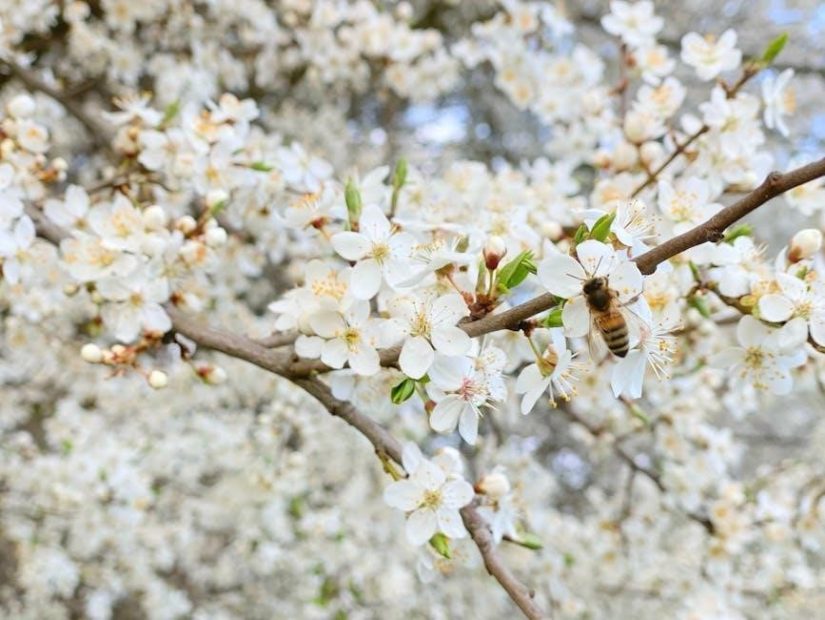
Stingless bee keeping is gaining traction, with readily available hive plans (often in PDF format) aiding enthusiasts. These resources promote conservation and sustainable practices.
What are Stingless Bees?
Stingless bees, native to tropical and subtropical regions, differ significantly from their honeybee cousins. They produce honey and pollen, but lack a functional stinger – hence the name! These fascinating insects build nests in tree cavities or earthen mounds, utilizing resin, wax, and other materials. Understanding their natural nesting preferences is crucial when considering hive design, with many PDF guides detailing appropriate dimensions and materials. They are social insects, living in colonies with a queen, workers, and drones, and their colonies are typically smaller than honeybee colonies.
Benefits of Stingless Bee Keeping
Stingless bee keeping offers numerous advantages, including the production of unique, medicinal honey and supporting local biodiversity. These bees are excellent pollinators, enhancing fruit and vegetable yields in gardens and farms. Furthermore, their gentle nature makes them ideal for urban environments. Many free PDF resources detail hive design, enabling DIY construction and reducing costs. Participating in programs, like Ku-ring-gai’s, fosters community and contributes to vital research, promoting sustainable practices and conservation efforts.
Stingless Bees vs. Honeybees
Unlike honeybees, stingless bees lack a functional stinger, making them safe for those with allergies or sensitivities. They build smaller colonies and produce less honey, but their honey possesses unique flavors and medicinal properties. Hive design differs significantly; PDF guides showcase specialized structures like OATH hives, optimized for their nesting habits. Honeybees require extensive management, while stingless bees are relatively low-maintenance, offering a simpler beekeeping experience, especially with accessible hive plans.
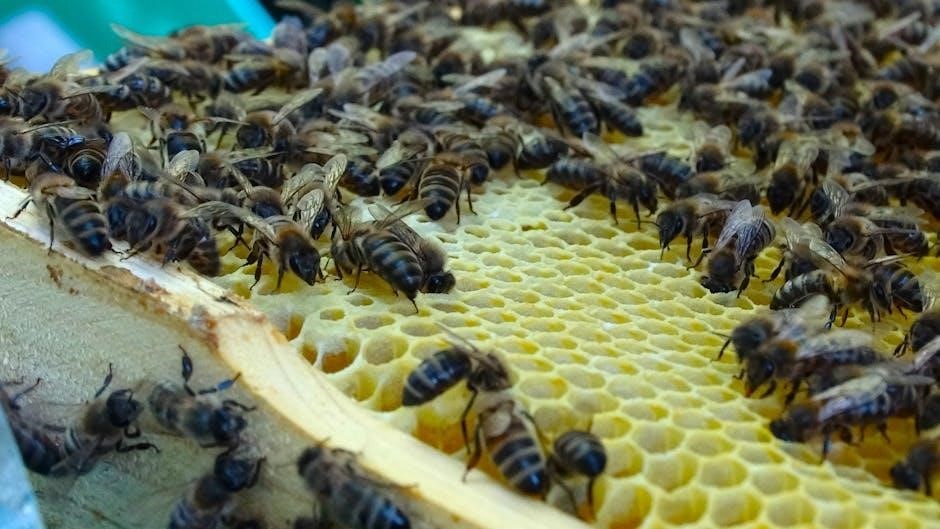
Understanding Stingless Bee Hive Design Principles
Effective hive design mimics natural nesting, utilizing PDF guides for construction. Key principles include proper ventilation, darkness, and appropriate entrance size.
Natural Nesting Habits of Stingless Bees
Stingless bees naturally nest in tree hollows, seeking dark, protected spaces. Understanding this informs hive design; PDF guides emphasize replicating these conditions. They build involucrum, a protective layer, and separate brood and honey storage areas. Hive orientation matters, mirroring natural cavity placement. Proper ventilation is crucial, mimicking airflow within tree cavities. PDF resources detail replicating these natural preferences, ensuring colony health and productivity by providing a suitable, familiar environment. Mimicking these habits is key to successful keeping.
Key Components of a Stingless Bee Hive
A typical stingless bee hive, detailed in many PDF design guides, includes a nest box, entrance, and honey super. The nest box houses the brood and stores pollen. The entrance, usually small, protects against predators. Honey supers, added above, allow for honey harvesting without disturbing the brood. PDFs often highlight the importance of composite materials for insulation. Anti-slump bars support the structure. Proper ventilation holes are essential. Understanding these components, as outlined in available plans, is vital for successful construction.
Importance of Hive Orientation and Placement
PDF stingless bee hive design guides emphasize strategic placement. Sheltered locations, protected from harsh weather, are crucial. East-facing entrances maximize morning sun exposure, encouraging foraging. Avoid direct afternoon sun to prevent overheating. Elevation off the ground deters pests and improves ventilation. Consider nearby resources – flowering plants provide essential pollen and nectar. Proper orientation, detailed in available plans, significantly impacts colony health and honey production, ensuring a thriving bee population.
Popular Stingless Bee Hive Types
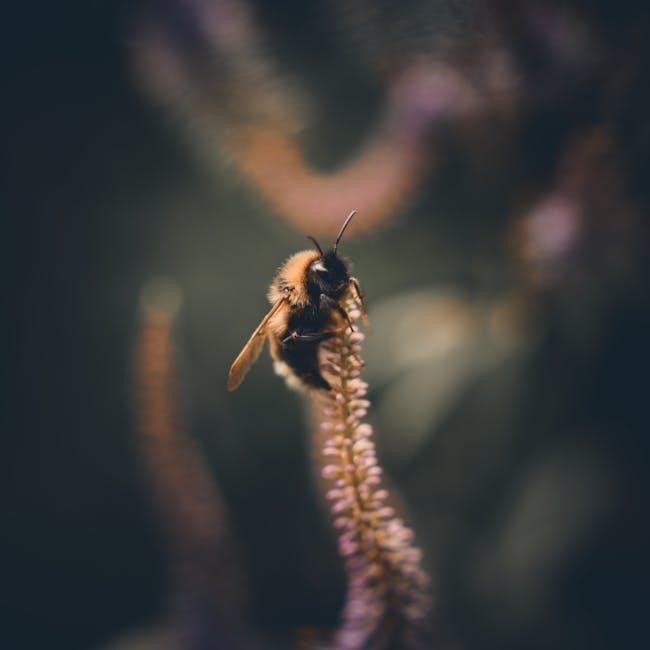
Numerous stingless bee hive types exist, with the OATH design being prevalent; detailed PDF plans are widely accessible for DIY construction and modification.
OATH Hive Design (Detailed Explanation)
The OATH (Original Australian Timber Hive) design is a popular choice for stingless bee keepers, and comprehensive PDF plans are easily found online. It’s constructed from readily available materials like hoop pine and composite foam core.
These plans detail box dimensions, entrance configurations, and ventilation requirements crucial for bee health. The OATH hive features a removable honey super for easy harvesting, and its modular construction allows for expansion. Many resources offer step-by-step guides, making it beginner-friendly. The design prioritizes natural nesting behaviors, promoting colony success.
Modified OATH Hive Variations
While the standard OATH hive design is effective, numerous modifications are detailed in available PDF plans. These variations often focus on improving ventilation, insulation, or ease of honey harvesting. Some keepers incorporate viewing panels for observation without disturbing the colony.
Others experiment with different materials for the honey super, seeking alternatives to traditional timber. Many PDF guides showcase these adaptations, offering builders options tailored to their climate and preferences. These modified designs still retain the core principles of the OATH hive, ensuring bee well-being.
Log Hives and Their Suitability
Historically, stingless bees nested in tree hollows, making log hives a natural choice. However, PDF hive design resources often highlight challenges with log hives, including difficulty in inspection and potential for rot. Proper preparation – removing all decaying wood – is crucial.
While aesthetically pleasing, logs require careful sealing to maintain temperature and prevent pest intrusion. Many modern keepers favor the OATH design for its manageability, but detailed PDF guides demonstrate successful log hive construction and adaptation for stingless bee colonies.
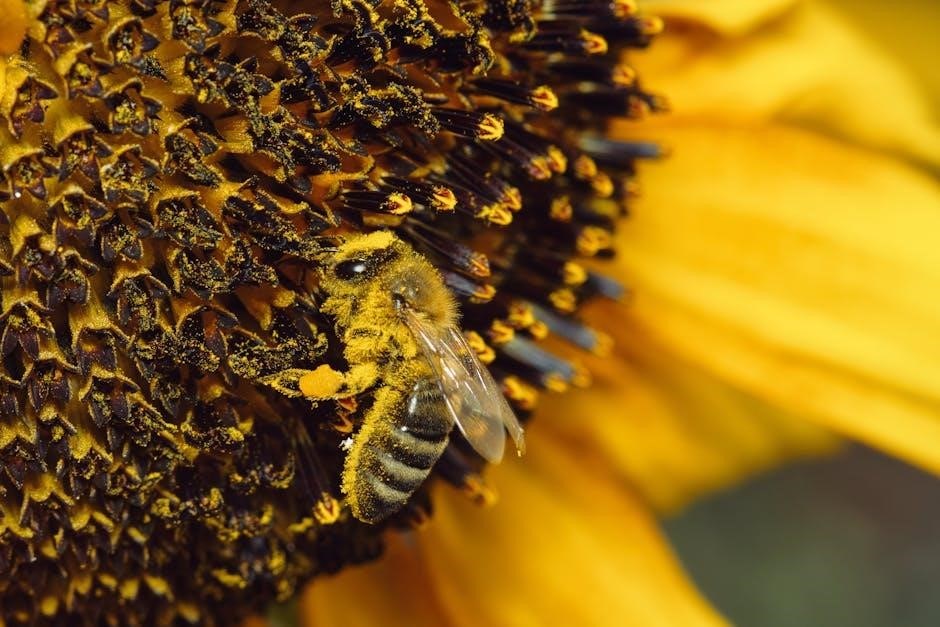
Materials for Stingless Bee Hive Construction
PDF hive design guides recommend hoop pine and composite foam core for durability and insulation. Avoiding toxic materials is paramount for bee health.
Recommended Wood Types (Hoop Pine, etc.)
Many stingless bee hive design PDFs highlight hoop pine as an excellent choice due to its workability, durability, and resistance to decay. It’s lightweight yet strong, making it ideal for hive construction. Other suitable options include cedar and other locally sourced, untreated hardwoods.
Importantly, avoid treated timbers as the chemicals can be harmful to the bees. Anti-slump bars, often made of hoop pine, provide essential support within the hive structure, preventing collapse. Selecting the right wood ensures a long-lasting and bee-friendly environment.
Use of Composite Foam Core Materials
Stingless bee hive design PDFs increasingly recommend composite foam core materials, like those used in DIY kits, for their excellent insulation properties. This helps maintain a stable internal temperature crucial for bee health and honey production. These materials are lightweight, easy to work with, and require no painting, offering longevity.
Combined with hoop pine for structural support, foam core creates a durable and temperature-regulated hive. It’s a modern alternative to traditional wood, reducing weight and enhancing the hive’s overall performance.
Avoiding Toxic Materials in Hive Construction
Stingless bee hive design PDFs emphasize the critical importance of using non-toxic materials. Bees are highly sensitive to chemicals, and treated timber or paints can contaminate honey and harm the colony. Opt for untreated, naturally durable wood like hoop pine, or composite materials specifically designed for bee hives.
Avoid plywood with formaldehyde-based glues. Prioritize natural finishes or leave the wood untreated, ensuring a safe and healthy environment for your stingless bees.
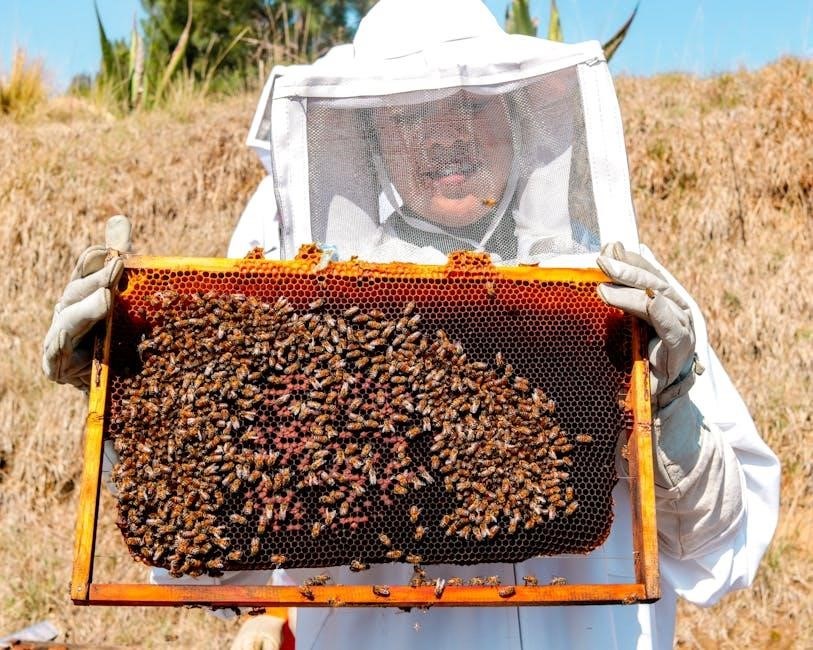
Step-by-Step Hive Construction Guide (Based on OATH)
Detailed OATH hive construction guides, often available as PDFs, provide clear instructions for assembling boxes, entrances, and honey super structures efficiently.
Cutting and Assembling Hive Boxes
PDF guides detail precise measurements for cutting 25mm composite foam core or hoop pine, essential for durable hive boxes. Assembly typically involves gluing and screwing pieces together, ensuring square corners for structural integrity. Anti-slump bars, often hoop pine, reinforce the hive walls, preventing deformation. Following the PDF’s diagrams is crucial for correct dimensions and alignment. Pre-drilling screw holes prevents splitting the material. Accurate cuts and secure assembly create a weatherproof and robust foundation for the stingless bee colony, maximizing longevity and minimizing maintenance.
Creating the Entrance and Ventilation
PDF hive plans emphasize a small entrance, typically around 8-12mm, to defend against predators and regulate temperature. Ventilation is crucial; designs often incorporate small gaps or holes near the top of the hive. These allow for airflow, preventing moisture buildup and overheating. Proper ventilation, detailed in the PDF, maintains optimal humidity and temperature for the bees. The entrance position influences airflow and defense; careful placement, guided by the plans, is essential for a thriving colony and successful stingless bee keeping.
Building Honey Super Structures
PDF stingless bee hive plans detail honey super construction, typically added above the brood box. These structures provide space for honey storage, facilitating sustainable harvesting. Designs often utilize removable frames or sections for easy access. The PDF guides builders on dimensions and materials, like composite foam core, ensuring structural integrity. Correct super construction prevents brood migration and simplifies honey extraction. Following the plans precisely is vital for a functional super, maximizing honey yield and minimizing disturbance to the colony.
Receiving and Installing Your Stingless Bee Colony
PDF guides detail proper hive placement and releasing the bees, crucial for successful colony establishment. Careful preparation ensures a smooth transition.
Preparing the Hive for Bee Arrival
Before your stingless bee colony arrives, thoroughly review PDF hive design resources to confirm correct assembly and orientation. Ensure the hive is positioned in a sheltered location, protected from direct sunlight and strong winds, as detailed in available guides.
Install the temporary viewing panel, if your hive design includes one, allowing observation without disturbance. Verify adequate ventilation, crucial for temperature regulation. A clean, dry hive interior is essential; remove any debris. Familiarize yourself with the PDF’s instructions regarding entrance size and placement for optimal colony establishment.
Releasing the Bees into the New Hive
Carefully follow the PDF hive design instructions for releasing your stingless bees. Typically, this involves gently removing the transport container’s lid near the hive entrance, allowing the bees to self-transfer. Avoid forcing them!
Minimize disturbance during this process; excessive noise or movement can stress the colony. The PDF may suggest a temporary ramp or guide to aid the bees. Monitor the entrance, observing as the bees explore and begin to establish themselves within their new home, referencing the design for expected behavior.
Post-Installation Monitoring and Care
After releasing the bees, refer to your stingless bee hive design PDF for post-installation guidance. Regularly observe the hive entrance for activity, indicating successful establishment. Avoid frequent, disruptive inspections initially, allowing the colony to settle.
The PDF will detail appropriate monitoring intervals and what to look for – propolis use, brood patterns, and overall colony health. Protect the hive from extreme weather and potential predators, ensuring a stable environment for these delicate pollinators, following the design’s recommendations.
Hive Maintenance and Management
Consistent hive inspections, guided by your stingless bee hive design PDF, are crucial for pest/disease control and colony health monitoring.
Regular Hive Inspections
Consistent, yet gentle, hive inspections are paramount for successful stingless bee keeping. Referencing your stingless bee hive design PDF will help you understand the internal structure and identify normal activity versus potential issues. Look for signs of healthy brood patterns, adequate pollen stores, and the absence of pests like small hive beetles.
Carefully observe the entrance for unusual activity. Document your findings after each inspection to track colony progress and identify any developing problems early on, ensuring a thriving colony.
Pest and Disease Management
Maintaining a healthy stingless bee colony requires proactive pest and disease management. Your stingless bee hive design PDF can illustrate key areas where pests might establish themselves. Common threats include small hive beetles and wax moths. Implement preventative measures like good hive hygiene and ensuring proper ventilation.
Avoid chemical treatments whenever possible, opting for natural solutions. Regularly inspect for signs of infestation and address issues promptly to prevent colony decline and maintain a robust, productive hive.
Hive Splitting and Expansion
As your stingless bee colony grows, hive splitting becomes essential for expansion and preventing swarming. A detailed stingless bee hive design PDF will showcase how modular hive components facilitate this process. Carefully assess the colony’s strength before splitting, ensuring sufficient resources in both new hives.
Properly timed splits, utilizing established brood patterns, maximize success. This technique allows you to increase your number of colonies and contribute to the overall health of local bee populations.
Harvesting Stingless Bee Honey
Stingless hive design PDFs illustrate honey storage locations, aiding sustainable harvesting. Understanding cell structures, detailed in these guides, is crucial for ethical collection.
Identifying Honey-Filled Cells
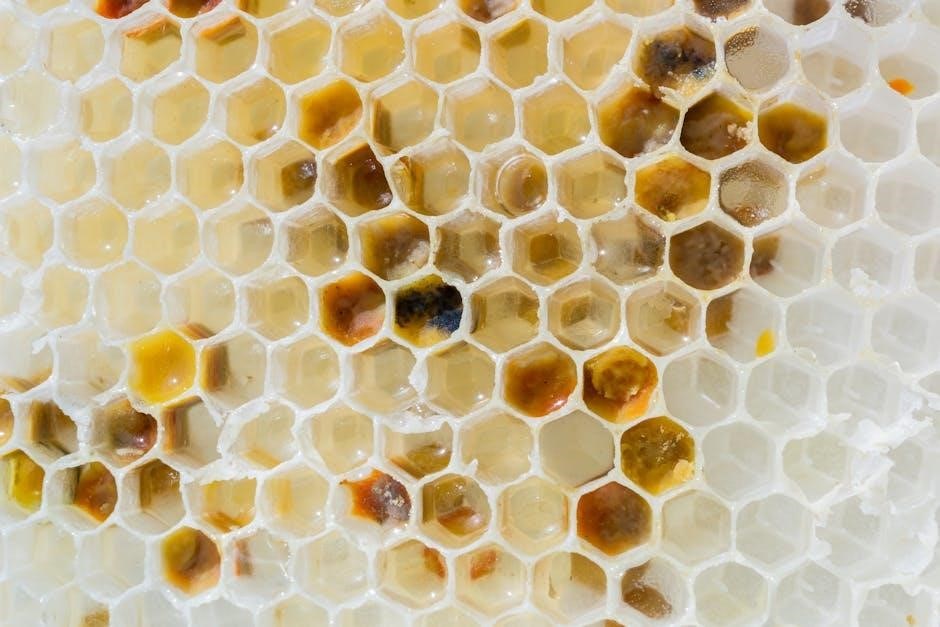
PDF guides detailing stingless hive design are invaluable for locating honey stores. These resources often showcase cross-sections, illustrating how bees construct cerumen pots – the unique hexagonal cells where honey is deposited. Experienced keepers learn to recognize the visual cues: fully capped, darker cells indicate ripened honey, differing from developing brood.
Careful observation, aided by diagrams in these PDFs, reveals the pattern of honey storage within the hive’s architecture. Understanding this layout minimizes disturbance during harvesting and ensures colony health. Recognizing these subtle differences is key to responsible beekeeping.
Sustainable Honey Harvesting Techniques
Stingless hive design PDFs emphasize non-destructive harvesting. Unlike honeybee practices, removing entire frames isn’t suitable; instead, focus on accessing honey pots through designated openings. These guides detail how to carefully expose and extract honey without harming the delicate cerumen structures or disturbing the colony’s organization.
Sustainable methods involve taking only surplus honey, leaving ample reserves for the bees’ survival. PDF resources advocate for minimal intervention, promoting long-term colony health and consistent honey production. Responsible harvesting ensures a thriving bee population.
Honey Storage and Preservation
Stingless bee honey, often containing higher moisture content, requires careful storage. Hive design PDFs don’t directly address this, but best practices involve airtight containers to prevent fermentation. Cool, dark locations are ideal, though refrigeration isn’t typically necessary.
Due to its unique composition, stingless bee honey may crystallize differently than honeybee honey. Gentle warming can restore its liquid state, but avoid high heat. Proper storage maintains flavor and prevents spoilage, ensuring a delightful product.
Resources for Stingless Bee Hive Plans (PDFs & Online)
Numerous PDFs and online communities offer stingless bee hive plans, including those from the Ku-ring-gai Native Stingless Bee Program, facilitating easy construction.
Ku-ring-gai Native Stingless Bee Program Resources
The Ku-ring-gai Native Stingless Bee Program, established in 2003, provides valuable resources for aspiring keepers. They sell hives and components, specifically standard OATH hive parts, with proceeds reinvested into program innovation. Access to detailed PDF guides and information regarding hive construction, bee arrival preparation, and release techniques are readily available.
These resources empower individuals to build and maintain stingless bee colonies effectively. The program’s long-standing experience ensures the information is practical and supports successful stingless bee keeping within the local community and beyond, promoting biodiversity and sustainable practices.
Other Online Stingless Bee Keeping Communities
Numerous online communities offer support and shared knowledge for stingless bee keepers. Many provide access to downloadable PDF plans for various hive designs, including OATH variations and log hive adaptations. These platforms facilitate discussions on construction techniques, materials, and best practices for colony management.
Engaging with these communities allows beginners to learn from experienced keepers and access a wealth of practical advice. Sharing experiences and troubleshooting challenges collectively enhances success rates and promotes responsible stingless bee keeping globally.
Scientific Research Publications on Stingless Bees
Accessing scientific research provides a deeper understanding of stingless bee biology and informs optimal hive design. Publications often detail the impact of hive structure on colony health, honey production, and defense mechanisms. While not always directly offering PDF plans, research validates or refutes design choices.
Studies explore nesting preferences, temperature regulation within hives, and the effects of materials on bee behavior, guiding improvements to existing hive models and inspiring innovative designs for sustainable beekeeping.
Advanced Hive Design Considerations
Optimizing hive design involves ventilation, predator protection, and climate adaptation; detailed PDF guides assist in implementing these complex, yet crucial, enhancements.
Hive Ventilation and Temperature Control
Maintaining optimal temperature and airflow within a stingless bee hive is paramount for colony health and productivity. PDF resources detailing hive design frequently emphasize the importance of strategic ventilation. Proper airflow mitigates humidity, preventing fungal growth and disease. Designs often incorporate adjustable ventilation points to adapt to varying climatic conditions.
Effective temperature control also relies on materials with good thermal properties, like composite foam core, minimizing extreme temperature fluctuations. Understanding these principles, often outlined in downloadable plans, allows keepers to create a stable and thriving environment for their bees.
Hive Protection from Predators
Protecting stingless bee hives from predators is crucial for colony survival. Many stingless bee hive design PDFs address this, recommending robust construction and preventative measures. Common predators include ants, beetles, and even larger animals. Designs often feature small entrance holes, limiting access for larger intruders.
Solid hive materials and secure lids are also emphasized. Some plans suggest predator guards or barriers around the hive. Regularly inspecting the hive for signs of predation, as detailed in available resources, is vital for proactive management and colony wellbeing.
Adapting Hive Design to Local Climates
Stingless bee hive design PDFs frequently highlight the importance of climate adaptation. Temperature regulation is key; hotter climates may require increased ventilation, while colder regions need better insulation. Hive orientation, detailed in many plans, impacts sun exposure and wind protection.
Material choices also matter – some materials retain heat better than others. Modifying existing designs, based on local conditions, is often recommended. Understanding your region’s specific needs ensures optimal colony health and productivity throughout the year.